Curriculum
Academics:
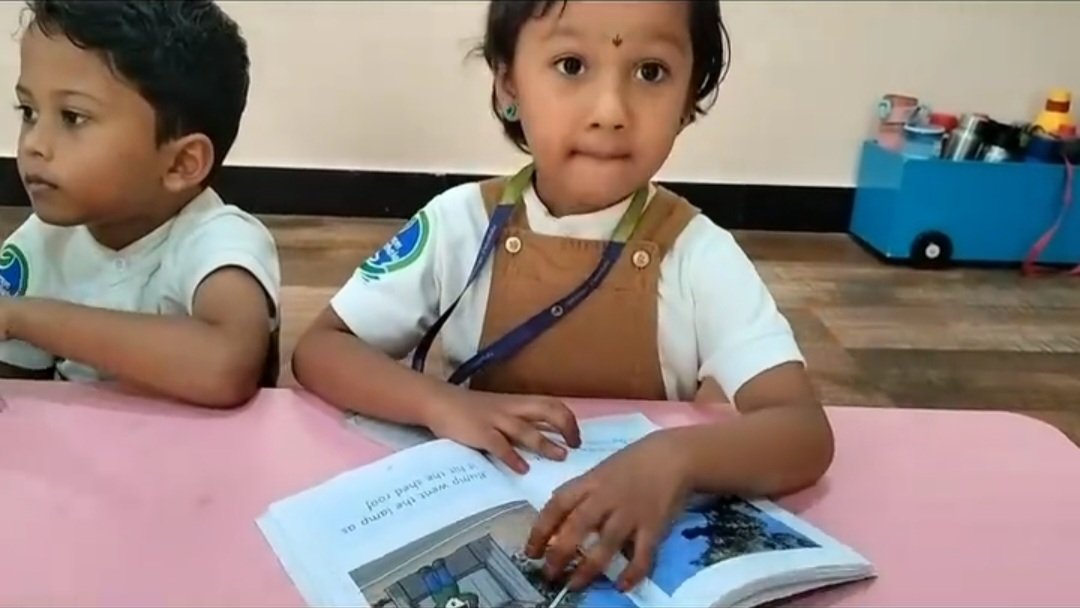
Our Early Childhood Program, which serves children ages 3 to 6, is designed with our youngest students in mind, providing them with an engaging and engaging curriculum to ease their transition into school. Our caring faculty members strive to assist the students’ intellectual, social, and emotional development. The Early Childhood Program has access to the entire campus and offers programs in Music, Art, Foreign languages, Karate, STEM , Brain and lots of time in our indoor playground. The program serves students up to the second grade. A strong sense of self-discipline, curiosity, empathy, and the basis for a love of learning are all fostered by the Early Childhood Program.
Curriculum:
The Early Childhood curriculum places a strong emphasis on interactive, flexible learning experiences that foster kids’ natural interest and aptitude for solving problems. The order of instruction is deliberately chosen to promote cross-curricular connections and skill consolidation. During the course of the curriculum, students learn to articulate their ideas clearly and build confidence in both written and spoken communication.
Ankuram Pre Primary Curriculum Integrated with Cambridge Early Years
Welcome to the Ankuram Curriculum, thoughtfully designed to align with the Cambridge Early Years to Stage 2 program. Our curriculum aims to provide young learners (aged 3-11 years) with a strong foundation, enabling them to thrive both within and beyond the classroom. Let’s explore the key features of our curriculum:
FINE MOTOR
Fine motor skills involve small muscles working with the brain and nervous system to control movements in areas such as the hands, fingers, lips, tongue and eyes. Developing fine motor skills helps children do things like eating, writing, manipulating objects and getting dressed.
GROSS MOTOR
Gross motor activities are important to everyday physical activities like walking, running, throwing, lifting, kicking, etc. Gross motor abilities also form the basis for fine motor skills and relate to body awareness, reaction speed, balance and strength.
LANGUAGE DEVELOPMENT
MATHEMATICS
ACADEMIC EXPO
A kindergarten academic expo can be a fantastic opportunity to showcase the learning and development of the students. Here are some ideas for what you can do:
Student Projects: Display student projects, artwork, and crafts that highlight what they have learned throughout the year.
Interactive Stations: Set up interactive stations where visitors can engage in activities related to the curriculum, such as counting games, alphabet activities, or science experiments.
Performances: Organize performances by the students, such as songs, dances, or skits, to showcase their talents and skills.
Demonstrations: Have students demonstrate activities they have learned, such as how to plant a seed, how to do a simple science experiment, or how to create a piece of art.
Parent-Teacher Interaction: Provide opportunities for parents to interact with teachers and learn more about the curriculum and their child’s progress.
EVS
EVS, or Environmental Studies help young children develop an awareness and appreciation of the environment around them. It teaches them about the natural world, the importance of conservation, and how to take care of their surroundings. EVS also helps children understand basic concepts related to their environment, such as weather, plants, animals, and the ecosystem. Additionally, it fosters a sense of responsibility towards the environment from a young age, encouraging them to become environmentally conscious citizens in the future.
BRAIN ACTIVITY
Brain Games can be a great way to help children develop important skills they will need later on in life. They are an entertaining and stimulating activity that can improve their academic performance, as well as their cognitive abilities and social development.
STEM ACTIVITY
ART
SAND PLAY
TAKE AWAY
PTM
OUTDOOR CLASSROOM
Staying on a farm and learning all subjects in farm environment can offer several benefits for kids. Farm environments provide hands-on learning opportunities that can enhance understanding and retention of academic subjects like science, math. Being immersed in nature can foster a deep appreciation for the environment and promote environmental awareness and stewardship. Kids can learn valuable life skills such as responsibility, teamwork, problem-solving, and self-reliance through farm chores and activities. Spending time outdoors and engaging in physical activities on the farm can promote physical health and well-being. The farm environment can inspire creativity and imagination, leading to innovative thinking and exploration. Cultural and Historical Understanding: Learning about farming practices can provide insights into cultural and historical aspects of society. Interacting with animals and working alongside others on the farm can help develop empathy, social skills, and emotional intelligence. Integrating different subjects within the context of the farm can provide a holistic and integrated approach to learning.
OLYMPIAD
Conducting an olympiad exam for kindergarten students can serve several purposes:
Assessment:
It can be used as a tool to assess the understanding and knowledge of young children in various subjects or skills.
Recognition:
The exam can recognize and reward students for their academic and non-academic achievements, fostering a sense of accomplishment and motivation.
Skill Development:
Preparing for the exam can help improve students’ critical thinking, problem-solving, and reasoning skills.
Competitive Spirit:
Healthy competition can inspire students to excel and perform to the best of their abilities.
Parental Involvement:
The olympiad can encourage parental involvement in their child’s education and provide them with insights into their child’s strengths and areas for improvement.
Promotion of Learning:
It can promote a love for learning and exploration among young children.
OLERI CULTURE
MUSIC